AI Triage & Symptom Checker
Route patients to the right level of care. Proven across 2.6 million consultations in Rwanda.

Overview
Health systems struggle to direct patients to the right level of care. People with minor ailments overwhelm emergency departments, while those with serious conditions delay seeking help.
Our triage system reaches patients via USSD, SMS, web, or mobile app. It was built and validated across 2.6 million consultations in Rwanda, reducing unnecessary visits while getting urgent cases seen quickly.
You can deploy it as a consumer-facing symptom checker, or plug it into your telemedicine workflows to pre-assess patients before they speak to a clinician.
AI Triage Capabilities
Proven technology serving millions of patients
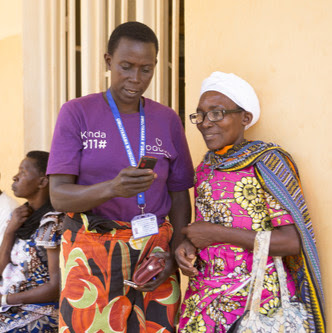
Symptom Checker
A conversational tool that helps patients understand their symptoms and find the right care. Works through websites, apps, and messaging platforms.
AI Triage
Assesses patient symptoms and routes them to the right care level. Built on technology proven in Rwanda's national healthcare system.
Try It Yourself
See how patients interact with the triage system via SMS, USSD, or smartphone
Clinical Audit Log
Triage Decision Trail • Session ID: Not Started
No triage session active
Start using the phone to begin audit trail
How It Works
Transparent clinical decision-making you can audit and customise
AI Clinical Decision Tree
After each patient response, the AI model updates diagnostic probabilities and determines the next most informative question. Each answer systematically narrows the diagnostic space and builds clinical confidence.
Efficiency & Diagnostic Confidence
The algorithm selects questions that maximize diagnostic value while minimizing patient consultation time. The process typically requires 5-10 targeted questions, with early termination for clinically obvious cases.
Clinical Safety Standards
Patient safety is never compromised for efficiency. The final questions systematically exclude critical warning signs and emergency indicators.
Local Health System Integration
The system is specifically designed for your country's healthcare infrastructure by national clinical experts. They define appropriate care pathways and mandatory safety protocols.
AI Clinical Decision Tree
After each patient response, the AI model updates diagnostic probabilities and determines the next most informative question. Each answer systematically narrows the diagnostic space and builds clinical confidence.
Efficiency & Diagnostic Confidence
The algorithm selects questions that maximize diagnostic value while minimizing patient consultation time. The process typically requires 5-10 targeted questions, with early termination for clinically obvious cases.
Clinical Safety Standards
Patient safety is never compromised for efficiency. The final questions systematically exclude critical warning signs and emergency indicators.
Local Health System Integration
The system is specifically designed for your country's healthcare infrastructure by national clinical experts. They define appropriate care pathways and mandatory safety protocols.
How We Ensure Clinical Soundness
Three levels of rigour that make health AI safe and locally appropriate

Clinical Evidence
We build the medical logic on proven foundations. WHO clinical protocols provide the starting point, then we layer on health data specific to your country. Local clinicians validate everything and continue refining the algorithms after launch.

Local Adaptation
Medical terminology is precise, and precision matters even more in translation. We use a three-stage process: medical professionals translate the content, local clinicians verify clinical accuracy, and real users test it before rollout.

Sovereign Deployment
You own the system entirely. It runs on your infrastructure, patient data never leaves your country, and there are no dependencies on external services. If our company disappeared tomorrow, your system would keep running.
Get Started
The system runs standalone or integrates with your existing telemedicine platform. Here's what implementation looks like:
- Start with a pilot in one region or facility type
- We adapt decision trees to your local clinical guidelines
- Translate content into local languages with clinical validation
- Integrate with your patient registration or health information systems
- You own the code and data, and can update protocols independently
Get in touch to discuss how this could work in your context.