Building Equitable, Nationwide Healthcare in Rwanda
How we delivered 4.5 million telemedicine consultations to patients in low resource settings without smartphones or internet
Introduction
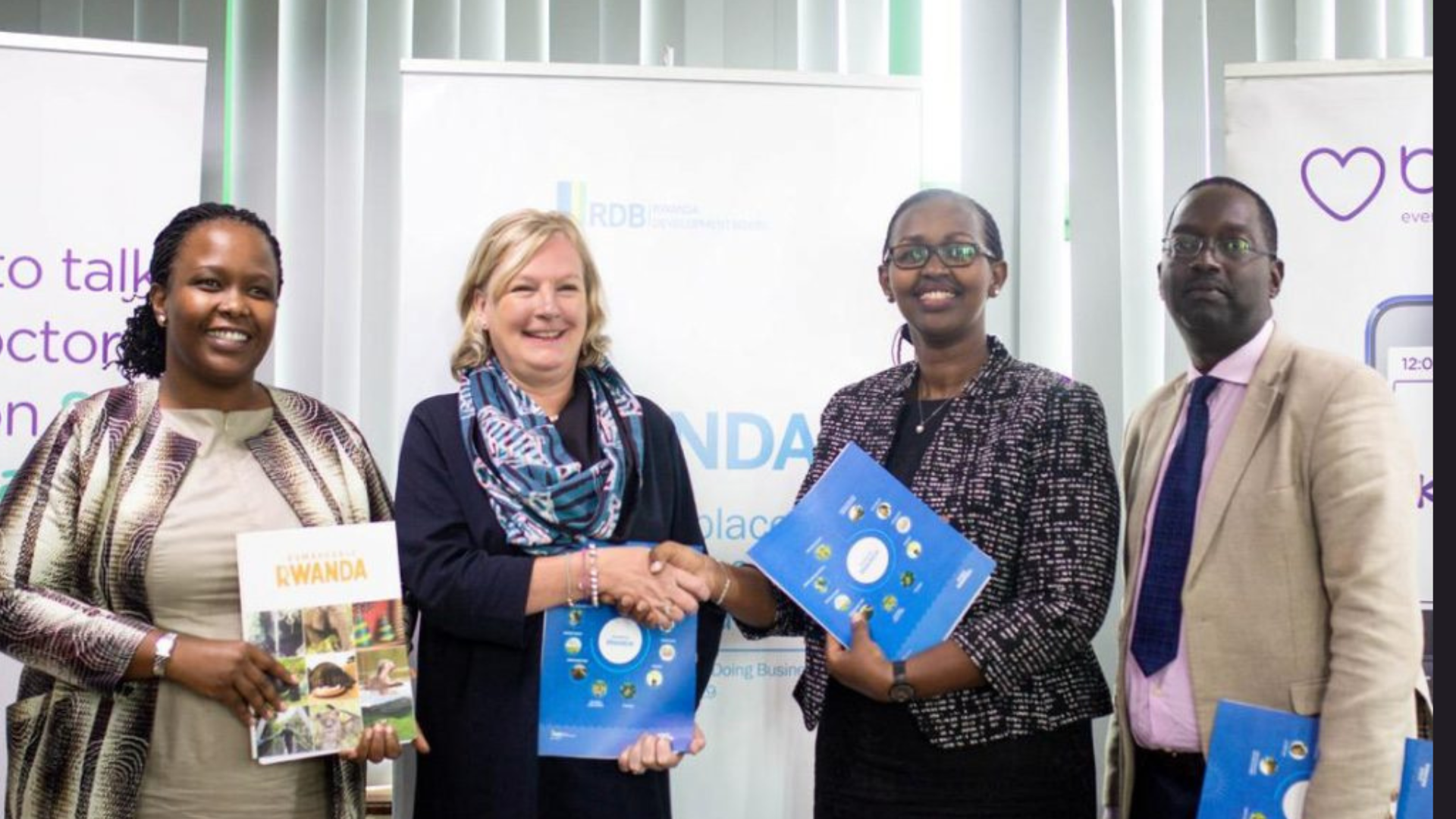
From 2016 to 2023, we built and operated Babyl Rwanda, the country's largest digital health service. In March 2020, we signed a 10-year partnership with the Government of Rwanda to deliver "Digital-First Integrated Care" to all Rwandans aged 12 and above.
The platform was designed for a country where only 10% of people had smartphones and internet access was limited. Patients accessed the service by dialing *811# from any mobile phone, including basic feature phones. They could register, book appointments, consult with doctors, receive prescriptions, and get lab test referrals without a smartphone or internet connection.
We integrated the service with Rwanda's national health insurance schemes (Mutuelle de Santé and RSSB), so consultations, prescriptions, and lab tests could be covered. Payments were handled through mobile money.

How It Works
The patient journey from dialing *811# to receiving care
Registration
Patient dials *811# and registers using their national ID
Insurance & Payment
System verifies Mutuelle/RSSB coverage and collects co-pay via mobile money
Consultation
Nurse triage call followed by doctor phone consultation
Prescription
Digital prescription sent via SMS with unique code
Fulfillment
Patient redeems code at partner pharmacy or lab
Our Telemedicine Solution
Purpose-built for low-resource settings with limited smartphone penetration
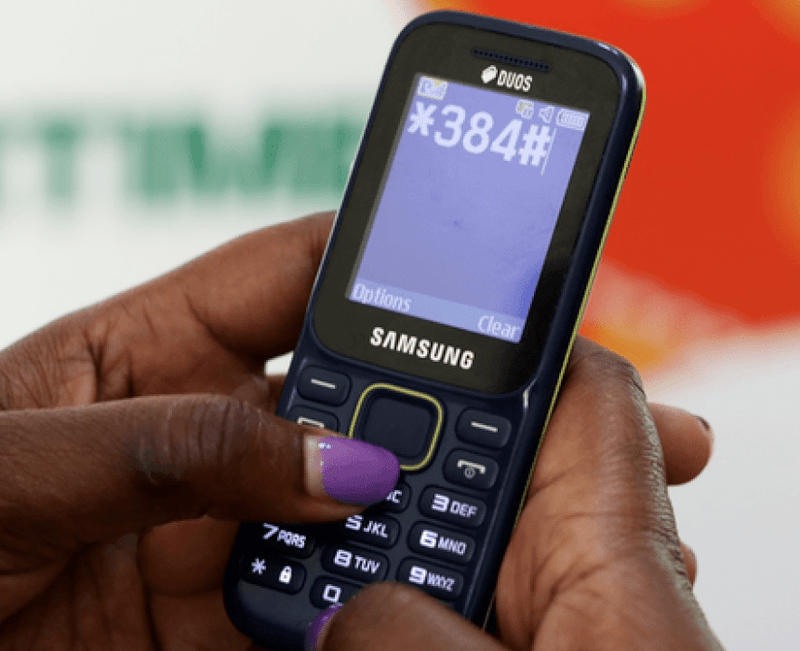
USSD Registration & Identity
Patients register by dialing *811# from any mobile phone. Identity is verified through NIDA (Rwanda's National Identification Agency), linking each patient to their national ID. In 2021, we added shared device access so patients without their own phones could use any phone and authenticate with just their national ID number.
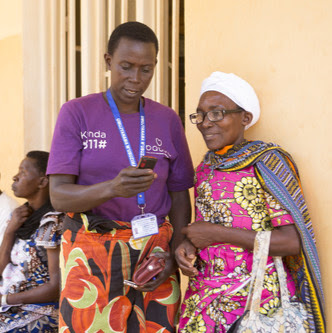
Insurance & Payment Integration
The platform connects to Rwanda's national health insurance schemes: Mutuelle de Santé (community-based insurance for low-income households) and RSSB (for formal sector workers). Patients select their insurance during registration, and the system checks coverage and calculates co-payments.

Phone Consultations
When patients book an appointment, they get a callback from a triage nurse who assesses their symptoms. Depending on the outcome, patients either continue with a phone consultation with a GP or senior nurse, or get referred to a physical health facility.
Digital Prescriptions
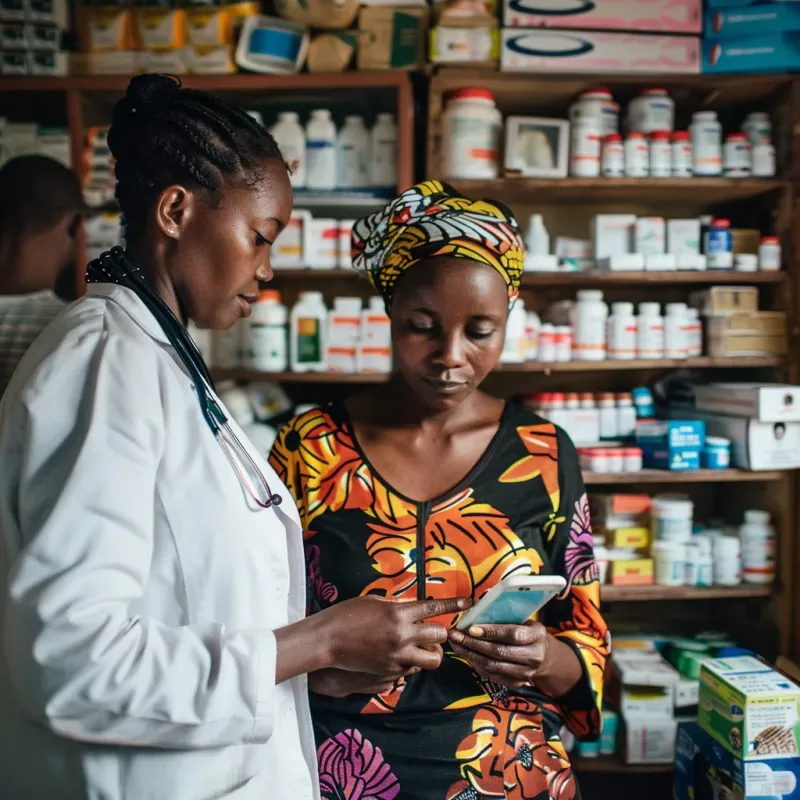
After consultation, clinicians generate digital prescriptions through the platform. Patients get an SMS with a unique code they can redeem at any partner pharmacy. The code contains prescription details so pharmacists can verify authenticity and dispense medications.
Lab Test Management
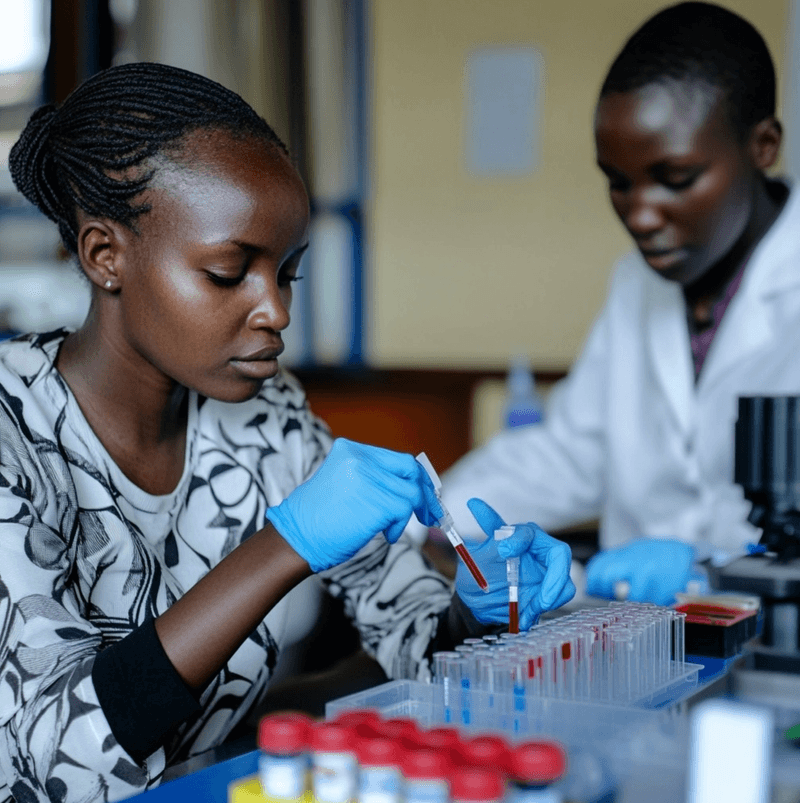
Clinicians can order lab tests through the platform. Patients receive an SMS code to present at any partner laboratory. When results are ready, they go to both the ordering clinician and the patient.
Impact
Results from 7 years of operating Babyl Rwanda (2016-2023)
Registered Users
About 30% of Rwanda's adult population registered for the service.
Remote Consultations
Total telemedicine consultations delivered by doctors and nurses over 7 years.
Peak Consultations
Daily consultation volume after enabling shared device access in 2021.
More Women Registered
Increase in female registrations after removing the requirement to own a phone.
Talk to Us
We built this platform for Rwanda, but the model works anywhere with low smartphone penetration, mobile money infrastructure, national ID systems.
If you want to implement telemedicine in a low-resource setting, we can help you adapt this approach:
- USSD and SMS-based patient flows that work on any mobile phone
- Integration with national ID systems for identity verification
- Insurance scheme integration for coverage verification and billing
- Clinician portal for phone consultations and clinical documentation
- Pharmacy and laboratory network management
We learned what works over 7 years and 4.5 million consultations. Let us help you build on that experience.
Publications
Various reports and articles about Babyl's AI triage system in Rwanda
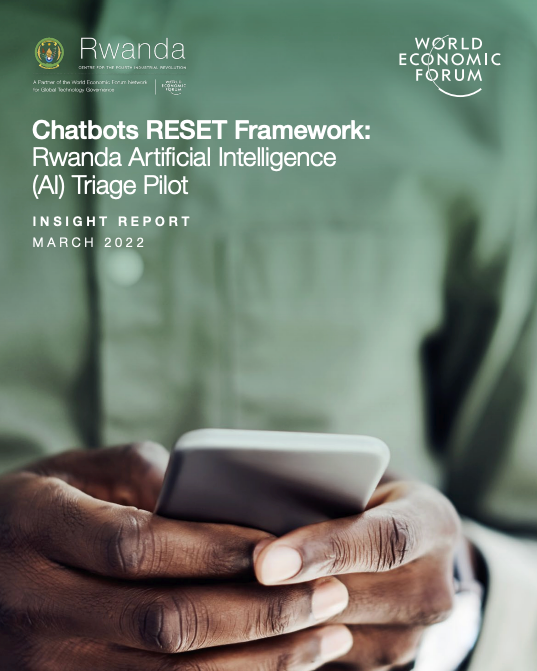
Babyl Rwanda's AI Triage Pilot
An independent World Economic Forum report documents Rwanda's national AI triage pilot with Babyl and confirms reliable integration into government call-centre operations.
Babyl handled over 4,000 medical consultations per day through national call centres, as reported by the World Economic Forum.
The Forum further reports that integrating the AI triage tool enabled nurses to work more efficiently and make quicker decisions, describing this as a critical step in digitising the national healthcare system.
Rwanda launches C4IR AI triage pilot
World Bank Africa Human Capital Plan
AI powered COVID-19 chatbot for triage
Babyl offering AI powered triage tools
Integration of Health & Medical Innovations
Healthcare and Artificial Intelligence
AI Triage & Symptom Checker in Rwanda
Harnessing AI for Healthcare in Rwanda
Babyl is strongly anchored in AI
Who You'll Be Working With
Here to Help You With Global Health Projects
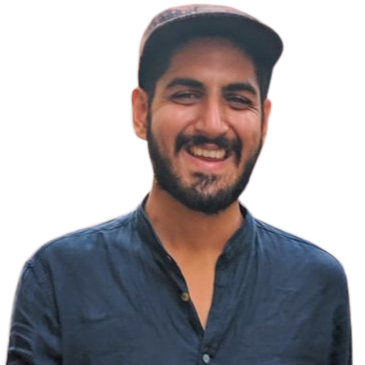
Manoj Nathwani
Hi, I'm Manoj, a software engineer based in London with 15 years of experience, specialising in global health. I've led Rwanda's largest digital health service, integrated AI-driven healthcare workflows for The Gates Foundation, and worked with organisations like UNAIDS, The WHO, The Malawi Ministry of Health and NHS England.

Dr. Charlie Nederpelt
Hi there, Charlie, I'm a physician and health economist with 9 years experience working on health services and health systems research, focusing on cost-effectiveness and health benefits packages since 2022. I consulted for WHO, Ministries of Health, global health organisations, national health insurance agencies, and academics.